“Back To The Rayo”: J Balvin confirms 27-city North American tour for 2026

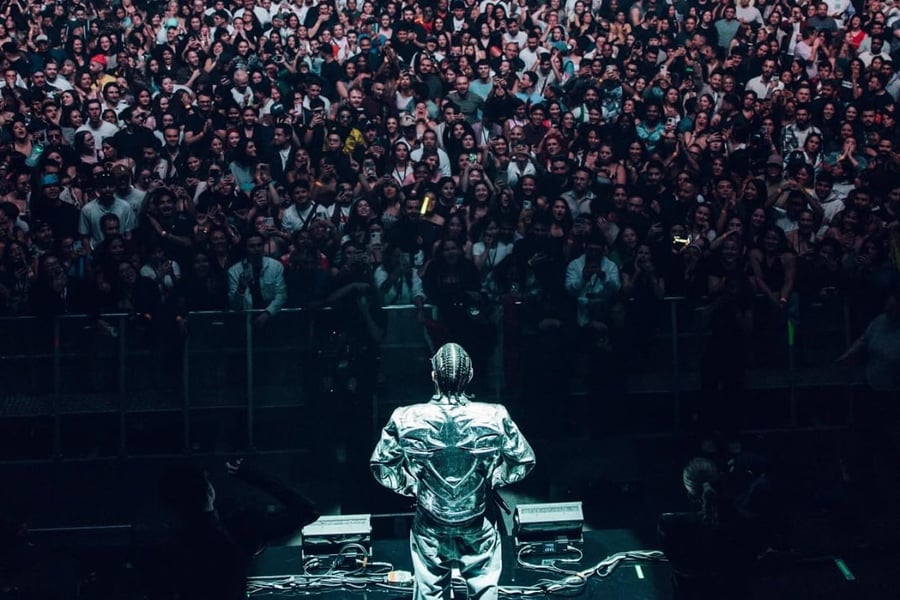
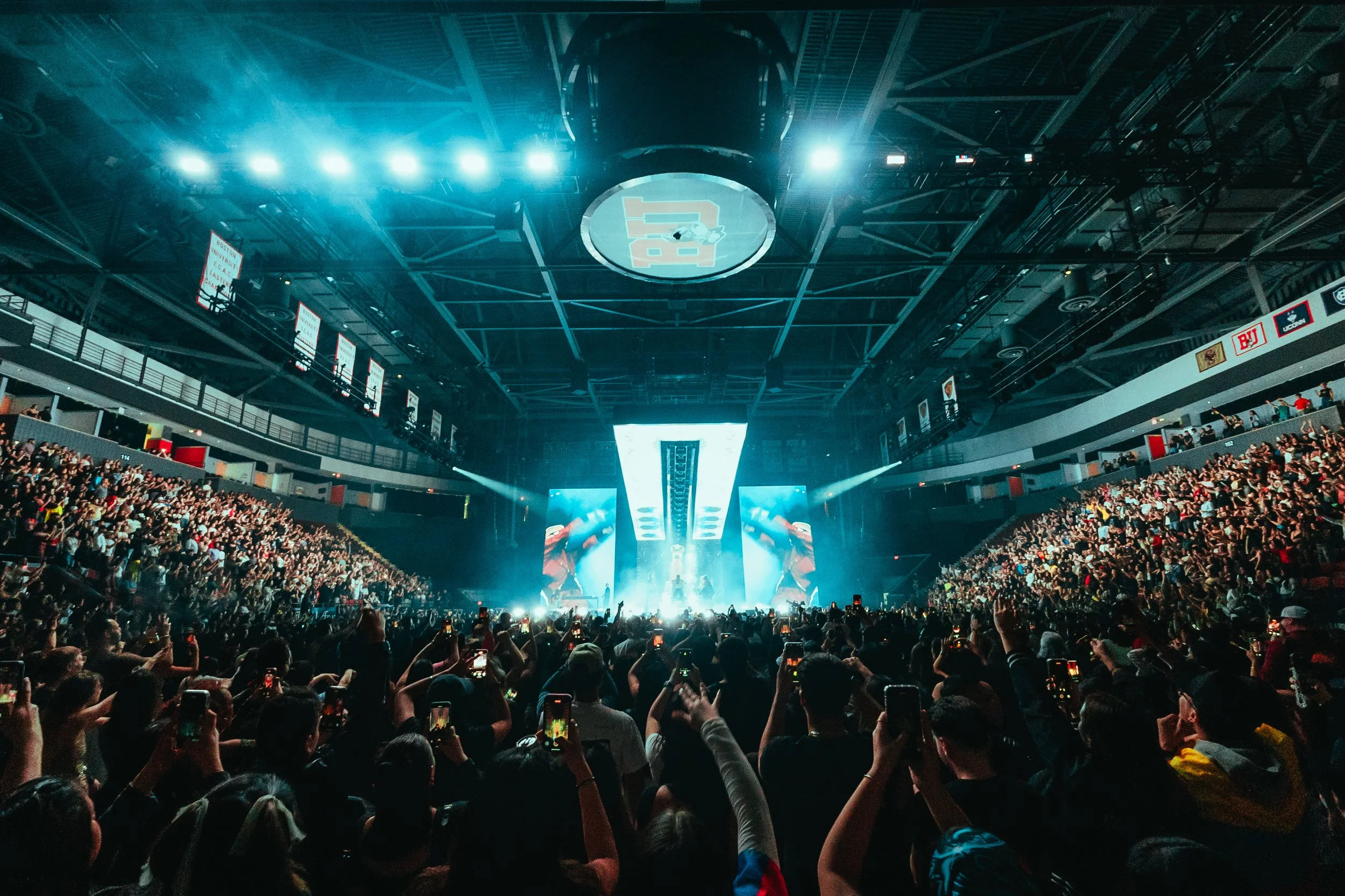
The announcement of “Back To The Rayo” immediately signaled something different. This was not just another tour cycle from J Balvin, but a carefully constructed return to origin—both personal and logistical. Named after Rayo, the first car he ever owned, the 2026 tour reframes Balvin’s global superstardom through speed, movement, and momentum. It is a concept rooted in the streets that shaped him, now scaled up to a 27-city North American run that stretches from the American South to Canada’s largest urban centers.
In its scope alone, the J Balvin live concert represents one of the most ambitious reggaeton tours ever mounted on the continent. But the real story lies beneath the surface: the routing choices, the venue strategy, and the production design all point to a deliberate shift away from the pastel-heavy Colores era into something sharper, darker, and far more kinetic. This is Balvin reasserting control of how reggaeton moves in large spaces—without losing the sweat, pressure, and intimacy that defined the genre’s early club years.
Introduction: From “Colores” to the High-Speed World of Rayo
For Balvin, Rayo is not nostalgia for nostalgia’s sake. The car symbolizes acceleration—the moment his life began moving faster than he could have imagined. That philosophy defines the 2026 tour. Where Colores leaned into minimalism, soft hues, and conceptual art installations, Back To The Rayo embraces a high-octane, urban-futurist vision. Chrome textures, LED-heavy motion graphics, racing-inspired iconography, and industrial lighting dominate early production previews tied to the tour.
This aesthetic evolution also mirrors a strategic reset. After years of festival dominance and global pop collaborations, Balvin is recalibrating how he connects with fans in North America. The tour’s design emphasizes movement: rapid city-to-city transitions, tighter performance windows, and venues selected to maximize energy rather than spectacle alone. The theme is not polish—it is velocity.
At the heart of it, this tour reflects a broader genre shift. Reggaeton’s “New Era” is no longer about proving global viability. That battle has been won. Now it is about control, scale, and sustainability. Balvin’s 2026 routing choices show an artist who understands that logistics are just as important as hits when defining cultural dominance.
Routing the Tour: A Map Built for Momentum
The 27-city routing of Back To The Rayo reads like a masterclass in market prioritization. Rather than chasing novelty, Balvin focuses on cities with proven demand, cultural relevance, and logistical efficiency.
The Launch: Atlanta to Miami
The tour launches in Atlanta, a deliberate choice that reflects the city’s status as a hip-hop and Latin crossover hub. Atlanta’s infrastructure makes it an ideal staging ground for a production-heavy tour, allowing rehearsals, freight coordination, and crew rotation to stabilize before the schedule intensifies.
From there, the early run moves quickly into Miami, with a headline date at Kaseya Center. Miami is more than a tour stop—it is a reggaeton nerve center. Launching the Florida leg early ensures immediate media saturation, influencer visibility, and high-energy crowd footage that fuels social momentum for the rest of the tour.
The Atlanta–Miami opening sequence also reduces dead mileage for production trucks, a critical factor when managing LED walls, moving stages, and high-power lighting rigs at this scale.
The Texas Stronghold: Houston Rodeo 2026
The centerpiece of the routing is unmistakable: Houston Rodeo 2026, where Balvin is slated to take over NRG Stadium on March 3. This is not a standard tour stop—it is a statement.
The Houston Rodeo offers exposure to a multi-generational audience and one of the largest single-night attendance figures in North America. For Balvin, performing here reinforces reggaeton’s integration into mainstream American event culture. Logistically, it also demands custom production scaling, as rodeo stages differ significantly from traditional concert setups.
The Texas leg extends beyond Houston, leveraging the state’s massive Latin population and its ability to support stadium-level energy even in non-stadium venues. Texas is not just a market—it is an anchor.
West Coast Expansion: California’s Multi-Night Strategy
California remains one of Balvin’s most reliable territories, and the 2026 routing reflects that confidence. Multi-night runs at Kia Forum allow for production consistency while maximizing ticket demand without oversaturating the market.
The inclusion of Ontario, CA further strengthens Southern California’s footprint. Ontario’s strategic location captures Inland Empire fans who might otherwise skip Los Angeles shows, effectively expanding the regional draw without adding unnecessary travel strain on the production team.
This West Coast cluster minimizes long-haul jumps and creates a concentrated period of high-revenue performances—an efficient approach for a tour of this size.
Venue Shifts: Why Arenas Matter Again
One of the most notable decisions in the 2026 tour is Balvin’s return to arenas after years of festival-heavy appearances. This is not a downgrade—it is a recalibration.
Arenas allow Balvin to engineer a “club-style” environment at scale. Lower ceilings intensify bass response. Controlled lighting environments amplify visual storytelling. Crowd proximity increases call-and-response energy, a cornerstone of reggaeton performance culture.
Within the 27-city framework, arenas offer consistency. Load-in times, rigging points, and seating configurations are predictable, reducing technical risk and allowing the production to evolve subtly from city to city. For an artist focused on speed and precision, this predictability is invaluable.
The shift also signals a creative priority. Balvin is not chasing the largest possible crowd every night. He is chasing the most responsive one.
Exclusive 2026 Dates: Canada and Regional Customization
The Canadian leg—highlighted by stops in Toronto and Montreal—adds another layer to the tour’s geographic reach. These cities have long supported Latin music, but 2026 production notes suggest exclusive visual and setlist elements tailored specifically for North American audiences.
Canadian dates often face stricter logistical regulations, from trucking schedules to union labor rules. Balvin’s team has reportedly adapted the Back To The Rayo production to ensure smoother transitions across borders, including modular stage elements and streamlined customs documentation.
These adjustments also allow for subtle creative differences. Visual cues, language balance between Spanish and English, and pacing are all fine-tuned for regional audiences, reinforcing the idea that this is not a one-size-fits-all tour.
Conclusion: Defining Reggaeton’s New Era
Back To The Rayo is more than a tour—it is a declaration. Through precise routing, strategic venue choices, and a production philosophy built on speed and control, J Balvin positions himself not just as a global star, but as a systems thinker within modern music touring.
The 2026 run demonstrates how reggaeton’s New Era is being shaped not only by sound, but by logistics. By mastering movement, scale, and intimacy simultaneously, Balvin proves that the genre’s future belongs to artists who understand both the stage and the map.
In 27 cities across North America, Rayo is not slowing down. It is accelerating.
Resource
https://en.wikipedia.org/wiki/J_Balvin
https://en.wikipedia.org/wiki/Reggaeton
https://www.nrgpark.com/nrg-stadium/
Comments
Post a Comment